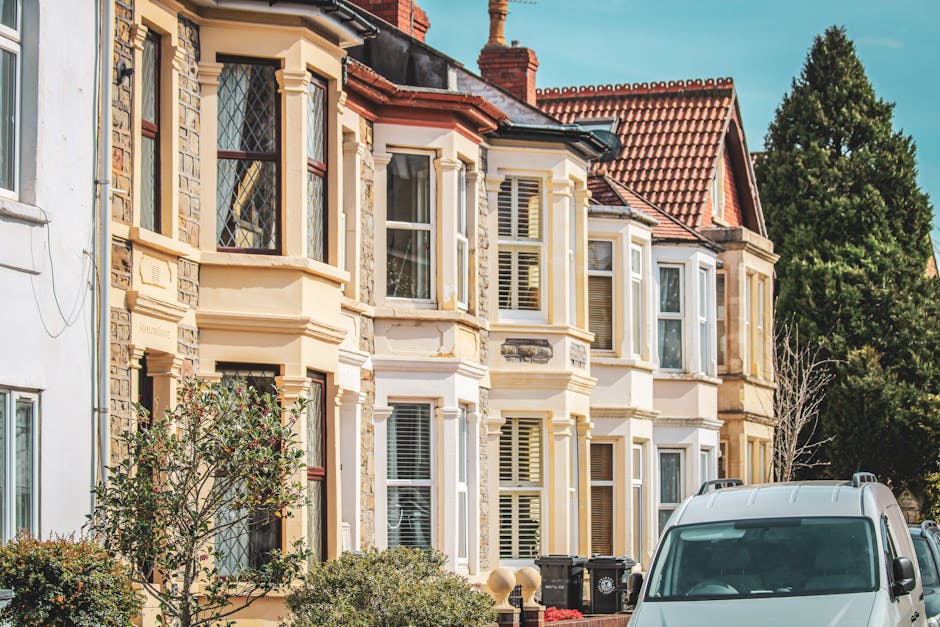
NW10 Willesden Green Removals for Victorian Terraces

If you are planning NW10 Willesden Green Removals for Victorian Terraces, you are probably already aware this is not a plain-vanilla move. Victorian terraces can be elegant, compact, awkward to manoeuvre, and full of small surprises: narrow halls, steep stairs, tight front doors, shared access, and the occasional hallway that seems to shrink the moment a sofa appears. Truth be told, that is exactly why a thoughtful removals plan matters here.
In Willesden Green, the housing stock often combines period character with practical quirks, so the best move is usually the one that respects the building as much as the boxes. In this guide, we will walk through what this type of move involves, how to prepare, where the common risks hide, and what good service looks like when you are moving into or out of a Victorian terrace in NW10.
Practical takeaway: the more character your property has, the more value there is in planning access, packing, and timing properly. That's the short version. The longer version is below.
- Why NW10 Willesden Green Removals for Victorian Terraces Matters
- How NW10 Willesden Green Removals for Victorian Terraces Works
- Key Benefits and Practical Advantages
- Who This Is For and When It Makes Sense
- Step-by-Step Guidance
- Expert Tips for Better Results
- Common Mistakes to Avoid
- Tools, Resources and Recommendations
- Law, Compliance, Standards, or Best Practice
- Options, Methods, or Comparison Table
- Case Study or Real-World Example
- Practical Checklist
- Conclusion
- Frequently Asked Questions
Why NW10 Willesden Green Removals for Victorian Terraces Matters
Victorian terraces were built for a different way of living. They are often beautiful, yes, but they were not designed around oversized wardrobes, American-style fridges, or the modern habit of owning more stuff than your front room can honestly admit. That is why removals in this part of NW10 need more than a van and a couple of strong arms.
Willesden Green has a mix of period homes, side returns, basement levels, and upper floors reached by staircases that can be narrower than people expect. A removal team working well in this setting has to think about the route from property to van, not just the destination. Will the bed frame clear the turn on the landing? Can the sofa get past the banister without damage? Is there a parking space close enough to keep lifting to a minimum? These details matter more than people think.
There is also the question of timing. In a terrace, one blocked doorway or a bit of poor planning can affect the whole day. Neighbours may be close by. On-street parking can be limited. Traffic can build up. A sensible move is one that treats the neighbourhood as part of the job, not an afterthought.
For many households, the real concern is peace of mind. You want your furniture protected, your walls untouched, and your day to stay under control. Fair enough. No one wants moving day to become a comedy of errors involving a stuck wardrobe and a scratched banister.
How NW10 Willesden Green Removals for Victorian Terraces Works
A good terrace move starts before the van arrives. It usually begins with an assessment of the property, access points, the volume of belongings, and any items that need special handling. In practical terms, that might mean noting the number of floors, whether there is a rear entrance, whether the front path is narrow, and whether larger items will need dismantling.
The process often follows a simple pattern:
- Survey the property to understand the size, layout, and access challenges.
- Plan the packing so fragile, heavy, and bulky items are separated clearly.
- Prepare furniture by dismantling pieces that will not move safely in one unit.
- Protect the building using covers, blankets, and careful lifting methods.
- Load in a logical order to reduce shuffling and backtracking.
- Transport and unload with attention to the route, parking, and placement at the other end.
That sounds simple on paper. In real life, there is often a moment where an experienced mover looks at a staircase and says, quietly, "Right, we'll take that in two parts." That is the kind of judgement that saves time and avoids damage.
For terrace properties, moving often works best when the team brings the right equipment from the start. Think dollies, straps, protective wraps, furniture covers, and the ability to handle awkward angles. A man and van service may suit smaller moves, but a larger household relocation usually benefits from a more structured approach, such as one of the broader house removal services available for London homes.
Key Benefits and Practical Advantages
The obvious benefit is convenience, but there is a lot more to it than that. In a Victorian terrace, a careful removals plan can reduce damage, save time, and make the move feel manageable rather than chaotic.
Here are the main advantages people usually notice:
- Less risk of damage to walls, doors, bannisters, and flooring.
- Better use of space in a home where rooms and hallways may be compact.
- Quicker loading and unloading because items are packed and staged properly.
- Lower stress on the day because the route and order of work are clear.
- Safer handling of heavy items such as wardrobes, drawers, and appliances.
- Improved protection for fragile belongings during stair carries and transit.
There is another benefit that people only notice afterwards: fewer arguments. Moving day has a way of testing everyone's patience, and anything that reduces confusion is worth its weight in tape and bubble wrap. Honestly, that alone can be worth the planning.
In areas like Willesden Green, where period homes can have awkward parking or limited outside space, a removal team that understands local conditions can also help keep things moving on time. That matters if you are working around building access, a completion schedule, or a tight handover window.
Who This Is For and When It Makes Sense
This kind of removals service is a strong fit for several types of moves. If you live in a Victorian terrace in NW10, or you are moving into one, the property itself may dictate the service level you need.
It makes sense if you are:
- moving from a terraced house with narrow stairs or tight rooms
- relocating a family home with bulky furniture and boxed contents
- handling a move that includes fragile heirlooms or period furniture
- dealing with limited parking or restricted access on a residential street
- trying to move within a short time frame and need efficient coordination
- shifting between rented and owned properties with different access rules
It is also relevant if you are not moving far. A short local move can still be surprisingly demanding when the architecture works against you. In fact, local moves can be trickier than long-distance ones because people assume they will be easy and then pack too late. We have all seen that story unfold.
If your move is smaller, a van-based service may be enough. For example, a one-bedroom terrace conversion or a partial household move might suit a flexible option like man and van. But if your property includes multiple floors, heavier furniture, or a lot of household contents, you may want a broader service with more hands, more planning, and more protection.
Step-by-Step Guidance
Here is a practical way to approach a terrace move without letting the whole thing spiral into a last-minute rush.
1. Walk the property before you pack
Start with the rooms, hallways, and staircase. Measure the larger pieces if needed. Look at what will realistically pass through each doorway. This one step can prevent a lot of unnecessary drama. Is the wardrobe worth moving as a whole, or should it be dismantled? Better to decide now than halfway down the stairs.
2. Separate items by priority and fragility
Create simple groups: essentials, fragile items, bulky furniture, and items that can go last. Keep the kettle, toiletries, chargers, and a change of clothes easy to reach. That first evening box matters more than people think, especially after a long day of lifting and opening and re-opening the same two cardboard boxes.
3. Clear access routes inside the home
Victorian terraces can feel cramped when boxes pile up in halls. Keep stair landings open. Move loose rugs. Remove anything that may snag or trip someone carrying weight. A clear route is faster and safer. No mystery there.
4. Protect surfaces and furniture
Use covers for sofas, mattresses, and tables. Wrap glass and mirrors carefully. Protect corners on fitted furniture and doors if the move involves a tight turn. If the property has original features, such as plasterwork or wooden bannisters, this becomes even more important. Those details are lovely until a box catches one, then not so lovely.
5. Dismantle what should not travel whole
Bed frames, shelving, and some wardrobes are easier to move in parts. Keep screws and fixings in labelled bags. Tape them to the relevant item or put them in a clearly marked container. You will thank yourself later, probably while standing in the new bedroom with a tiny Allen key.
6. Plan the van loading order
Load heavier items first, then stack lighter boxes around them to stabilise the cargo. Keep essentials accessible if you need to unload in stages. Good loading is a quiet skill. You do not always notice it, but you definitely notice when it is missing.
7. Check the final sweep before leaving
Open cupboards, loft spaces, under stairs, and behind doors. Check sockets are off where needed, windows are closed, and keys are accounted for. A calm final sweep saves awkward phone calls later. And yes, people do leave the cutlery drawer behind. More often than they admit.
Expert Tips for Better Results
If you want the move to feel smoother, a few small decisions make a big difference. These are the sorts of things experienced teams look for immediately.
- Book early if parking is tight. In residential NW10 streets, the closer the vehicle can park to the property, the easier the day becomes.
- Be honest about volume. Underestimating how much you own is one of the quickest ways to wreck the schedule.
- Label boxes by room and priority. This keeps unloading efficient and reduces the "where does this go?" pile.
- Keep hardware with the furniture. Small bags of screws and fittings are easy to lose. Too easy.
- Use proper protection on period features. Stair rails, doorway edges, and skirting boards deserve care in older homes.
- Allow buffer time. Victorian terraces tend to reward those who do not cut everything to the minute.
One practical detail many people skip: tell your removals team about unusually heavy items, awkward access, or anything that has sentimental value and should be treated differently. That way they can pack the right tools and manage the day properly.
If you are also moving business items, storage, or office furniture, it may be worth looking at a more comprehensive option such as removal services rather than squeezing everything into a basic van job. The right choice depends on the load, not the label.
Common Mistakes to Avoid
Let's face it, moving exposes every weak point in planning. These are the mistakes that cause the most avoidable trouble in terrace removals.
- Leaving packing too late. The final 24 hours are not the time to start sorting drawers.
- Forgetting access constraints. A van that cannot park nearby slows everything down.
- Ignoring stair width and turn angles. Victorian homes are famous for awkward corners.
- Overfilling boxes. Heavy boxes become dangerous fast, especially on stairs.
- Not protecting walls or floors. Even careful movers can scuff surfaces if the route is tight.
- Mixing essentials with everything else. It is amazing how annoying this becomes by evening.
- Not communicating special items. Pianos, mirrors, antiques, and bulky wardrobes need a plan.
There is also a tendency to assume every move is the same. It isn't. A terrace house in Willesden Green has different needs from a modern flat with lift access. Simple as that.
Tools, Resources and Recommendations
You do not need a warehouse of specialist gear, but the right basics help enormously. If you are preparing for a Victorian terrace move, these are the most useful tools and materials to have on hand:
- strong double-walled boxes for books and mixed household items
- wardrobe boxes for clothes that should remain hanging
- bubble wrap or paper wrap for breakables
- packing tape and a tape dispenser
- labels or a marker for box identification
- furniture blankets or covers
- zip bags for screws, bolts, and fittings
- gloves with a good grip for handling awkward items
- door protection or corner guards where tighter routes are expected
For households that want packing help as well as transport, packing and unpacking services can save a surprising amount of time. That is especially useful if you are working long hours or caring for children while trying to get the whole move done. Sometimes the labour is not in the lifting. It is in the endless tape, labels, and decision-making.
If sustainability matters to you, think about box reuse, donation of unwanted items, and sensible disposal. The site's recycling and sustainability page is a useful place to understand the general approach to reducing waste during a move.
And for anyone comparing providers, the practical details on pricing and quotes can help you ask better questions before you book. Clear quotes are a good sign. Vague ones, not so much.
Law, Compliance, Standards, or Best Practice
Removal work in London is not usually about complicated legal issues, but there are still sensible standards to respect. Good practice protects your property, your belongings, the crew, and the neighbours.
Here are the main areas to keep in mind:
- Parking and access: local restrictions may apply, so plan the vehicle position carefully and allow time for loading.
- Property condition: if you live in a rental home, check your tenancy obligations around damage, cleaning, and key return.
- Insurance and handling: ask how items are protected in transit and what happens if something is damaged.
- Health and safety: safe lifting, clear pathways, and proper equipment are not optional when staircases are involved.
- Building rules: some properties have landlord, management, or neighbour expectations for moving day.
It is also wise to read the company's policy pages before booking, especially the insurance and safety information and the health and safety policy. These pages help set expectations in plain English. You do not need legal jargon. You need clarity.
If you are choosing a provider, check the basics: transparent pricing, a sensible complaints process, secure payment handling, and straightforward terms. Those are the quiet signs of a business that knows what it is doing.
Options, Methods, or Comparison Table
Different terrace moves call for different approaches. The right method depends on how much you have, how difficult the access is, and whether you need packing or dismantling support.
| Option | Best for | Strengths | Trade-offs |
|---|---|---|---|
| Man and van | Small moves, a few rooms, lighter loads | Flexible, usually quick for compact jobs | May be limited for large furniture or multiple stairs |
| Full home removals | Family homes, larger contents, awkward access | More support, better for planning and protection | More coordination needed before moving day |
| Packing plus removal | Busy households or fragile contents | Reduces stress, improves organisation | Requires more preparation and budget planning |
| Partial move | Selected items, downsizing, storage transfers | Efficient for specific loads | Not ideal if you need whole-home relocation |
For a lot of NW10 Victorian terraces, a blended approach works best: careful packing for fragile items, dismantling for oversized furniture, and a removal team that understands older properties. If you are moving to or from a nearby part of London, a local service such as house removal services in Willesden can be especially relevant because the team is working in the same kind of streets, access patterns, and housing layout.
Case Study or Real-World Example
A typical terrace move in Willesden Green might involve a three-bedroom Victorian house with two flights of stairs, a front reception room, a basement utility area, and a narrow rear route to the garden. The family has a sofa, dining table, beds, bookcases, a piano stool, and a lot more boxes than they expected. Of course they do. Everyone says "we haven't got much" until the hallway fills up.
In that scenario, the best outcome usually comes from a few straightforward choices. The bed frames are dismantled the day before. Glass items are packed separately. Boxes are labelled by room. The team checks whether the sofa can turn safely on the landing or whether it needs a different route. The van parks as close as possible, and the loading order is planned around weight and fragility. Nothing glamorous. Just sensible.
The result is not just speed. It is control. Fewer pauses. Less damage risk. Less apologising to neighbours when someone has to shuffle a wardrobe halfway back up the stairs because the angle was wrong. That sort of thing can ruin a morning. Not to be dramatic, but it really can.
And there is a softer benefit too: the family arrives at the new place with enough energy left to unpack properly rather than collapsing into a room full of half-open boxes. That first evening feels better. Much better.
Practical Checklist
Use this checklist in the final week before moving day. It keeps the process grounded and stops small things from becoming big ones.
- Confirm access details for both properties
- Measure any bulky furniture and tight doorways
- Book the removals date and time clearly
- Check parking arrangements near the property
- Pack fragile items separately and label them
- Prepare an essentials box for the first night
- Dismantle beds, shelves, or other awkward furniture if needed
- Protect floors, walls, and corners where possible
- Keep documents, keys, chargers, and medicines easy to reach
- Do a final room-by-room sweep before departure
- Photograph valuable items before moving if you want a simple record
- Leave enough time for handover, cleaning, and a calm exit
Expert summary: the easiest terrace move is rarely the biggest one; it is the best prepared one. Clear access, honest planning, and the right level of support do more for your day than last-minute rushing ever will.
Conclusion
NW10 Willesden Green removals for Victorian terraces are all about respecting the shape of the property and the reality of the move. Older homes bring charm, but they also bring constraints. If you plan around the stairs, the access, the parking, and the furniture rather than hoping for the best, the whole day becomes far more manageable.
The right removals support can make a period-property move feel calm, organised, and surprisingly straightforward. That does not mean effortless. Let's be honest, moving is still moving. But it does mean you can protect your belongings, reduce stress, and settle into your new home with a bit more breathing room.
If you are comparing options now, take a close look at the service details, ask practical questions, and choose the team that understands older homes properly. A Victorian terrace deserves a careful move. So do you.
Get a free quote today and see how much you can save.
Frequently Asked Questions
What makes Victorian terrace removals in Willesden Green different?
Victorian terraces often have narrower staircases, tighter entrances, and more awkward corners than modern homes. That means planning, furniture handling, and access control matter more than usual.
Can a man and van service handle a terrace move in NW10?
Yes, if the move is small enough and the furniture is manageable. For larger households, heavier items, or tricky access, a fuller removals service is usually a safer choice.
How far in advance should I book a removals company?
Booking early is best, especially if your move involves limited parking, a busy street, or a completion deadline. Even a short local move benefits from proper scheduling.
Do I need to dismantle furniture before moving day?
Often yes, particularly for bed frames, large wardrobes, shelving, or anything that will not safely fit through a narrow staircase or landing turn. Check this in advance rather than guessing on the morning.
What should I pack first when moving from a Victorian terrace?
Start with non-essential items, books, decorative pieces, spare linens, and rarely used household goods. Keep your daily essentials to one clearly marked box.
How do removals teams protect walls and floors in older homes?
They usually use covers, blankets, and careful lifting methods, along with route planning to avoid repeated contact with surfaces. Good teams also think about corners and bannisters, not just big furniture.
Is parking a real issue for removals in Willesden Green?
It can be. Residential streets may have limited space, so parking close to the property can make a big difference to speed and safety. It is worth discussing early.
What if I have fragile or sentimental items?
Tell the removals team in advance and pack those items separately with extra protection. If something is especially important, keep it with you rather than loading it with general household goods.
How can I keep moving costs under control?
Be accurate about the volume of items, prepare well before the move, and avoid last-minute packing or extra trips where possible. Clear quotes help too, because surprises are rarely good news on moving day.
Should I use packing services as well as removals?
If you are busy, short on time, or moving a lot of fragile items, packing help can be worth it. It saves time and can reduce breakages, especially in homes with stairs and awkward access.
What should I check before choosing a removals provider?
Look for clear pricing, sensible insurance and safety information, transparent terms, and a straightforward complaints process. Those basics say a lot about how the company works.
What is the best way to prepare for moving day in a terrace house?
Clear the access route, label boxes clearly, protect the property, and make sure the team knows about any difficult items or access constraints. That simple preparation usually pays off very quickly.