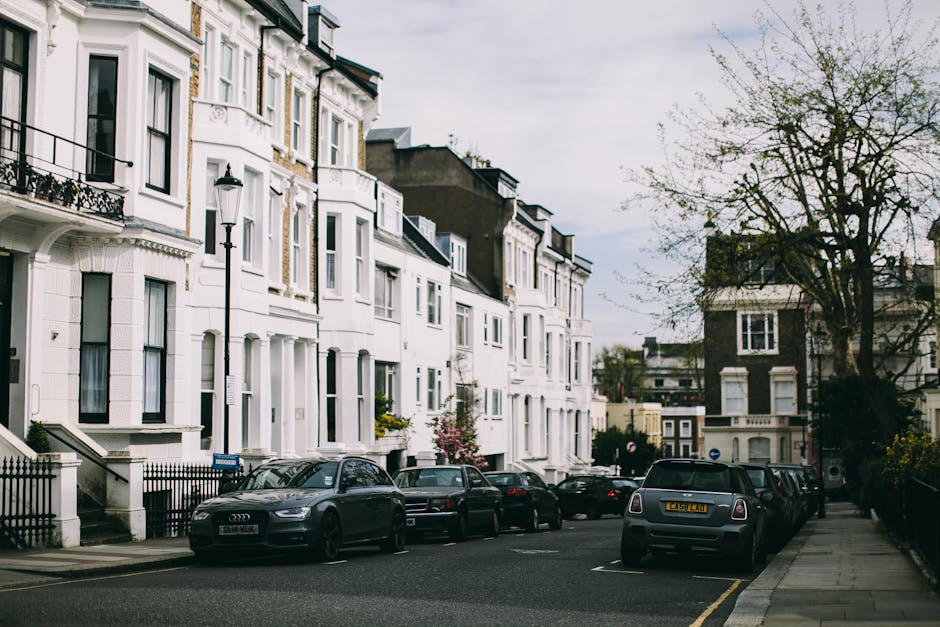
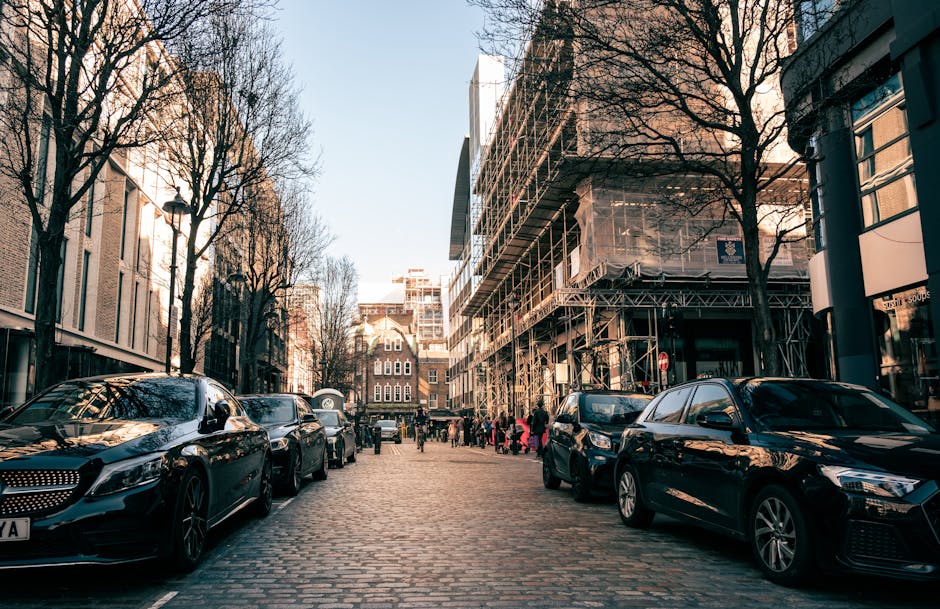
Moving with Limited Parking in London: Practical Fixes
Moving in London is hard enough without discovering, on the morning itself, that the road outside is full, the neighbour is half-on the kerb, and your van has nowhere sensible to stop. If you are dealing with moving with limited parking in London: practical fixes matter because the difference between a smooth move and a stressful one is often just a few metres of clear access. In busy streets, narrow terraces, controlled parking zones, and apartment blocks with awkward layouts, parking is not a small detail. It is the move.
This guide breaks down what actually works. Not theory, not wishful thinking. We will look at the practical fixes that help you protect time, reduce double-handling, and keep everyone calmer on the day. Whether you are moving a flat in Hackney, a family home in Wandsworth, or a small office in central London, the same basic problem shows up again and again: how do you get the vehicle close enough to the door without causing chaos?
Truth be told, this is one of those moving issues people underestimate until they are standing on the pavement with a trolley, a mattress, and a mildly panicked expression. Let's make it easier.
Quick takeaway: limited parking does not have to derail a London move. With the right permits, timing, vehicle choice, loading plan, and backup options, you can keep the day moving even on tight streets.
Table of Contents
- Why limited parking matters on a London move
- How the moving plan should work when parking is tight
- Key benefits of planning parking properly
- Who this approach is for
- Step-by-step guidance for a smoother move
- Expert tips that save time and stress
- Common mistakes to avoid
- Tools, resources and recommendations
- Law, compliance and best practice
- Options and comparison table
- Real-world example
- Practical checklist
- Conclusion
- Frequently asked questions
Why Moving with Limited Parking in London: Practical Fixes Matters
Limited parking changes the whole rhythm of a move. A short walk from van to front door might sound manageable, but in practice it creates extra lifts, slower loading, more chance of damage, and more time spent standing around in the cold or rain. London streets can be unforgiving. One parked car in the wrong place, one delivery driver blocking the only stopping point, and suddenly your crew is working around a problem instead of through it.
This matters for several reasons. First, access affects labour cost and timing. If the crew has to shuttle items further than planned, the job naturally takes longer. Second, parking issues can affect safety. Carrying heavy furniture longer distances increases the chance of drops, scrapes, blocked pavements, and awkward turns through tight hallways. Third, there is the neighbour factor. Nobody wants to start a move by antagonising residents or blocking a shared driveway before breakfast.
There is also the mental side of it. When access is sorted, the whole day feels more controlled. When it is not, even a well-run move can feel noisy and rushed. You notice the little things: the beeping hazard lights, the scrape of a trolley wheel over uneven paving, the way everybody keeps glancing up the road hoping a space will magically appear. Spoiler: it usually does not.
To be fair, limited parking is normal in London. That is exactly why the best moves are the ones that are designed around reality, not optimism.
How Moving with Limited Parking in London: Practical Fixes Works
The basic idea is simple: reduce the distance between the vehicle and the property, reduce the time spent searching for space, and reduce the number of times each item has to be handled. In real terms, that means planning access as carefully as you plan packing.
A good parking plan usually combines several pieces:
- Pre-move access checks to see where the vehicle can stop without obstruction.
- Permit or suspension planning where the local rules allow it.
- Vehicle selection based on street width, height restrictions, and loading distance.
- Loading-zone strategy so the heaviest or most awkward items come off first.
- Fallback parking options in case the nearest space is taken.
In many London moves, the plan is not to find a perfect parking bay. It is to create a workable loading point. That might mean parking slightly further away but using extra hands and proper trolleys. Or it might mean securing a clear space directly outside the building for a short, agreed window. The right answer depends on the street, the property type, and whether you are moving from a terraced house, a block of flats, or a commercial unit.
One practical point people often miss: access is not just about the van. It is about the route from the van to the property. Low railings, steps, resident-only gates, awkward corners, and narrow hallways can turn a short distance into a slow one. If the route is unpleasant, the move becomes unpleasant. Simple as that.
Key Benefits and Practical Advantages
Handling parking properly gives you more than convenience. It changes the quality of the whole move.
- Less wasted time: fewer laps around the block, fewer stops, less waiting.
- Lower physical strain: shorter carry distances reduce fatigue and risk.
- Better protection for belongings: fewer handovers usually means fewer bumps and scrapes.
- Less stress for neighbours and building staff: a tidy plan looks professional and courteous.
- Improved schedule control: the team can work to a realistic timeline.
- Cleaner decision-making: you know what to do if the ideal space is taken.
There is also a commercial benefit if you are a landlord, office manager, or business owner. A move that runs on time is usually a move with fewer interruptions to the day after. For offices especially, even a small access delay can ripple through the rest of the relocation. Packing boxes can wait. Staff availability often cannot.
And honestly, there is something quietly satisfying about watching a move run smoothly on a cramped London street. It feels organised. Not flashy. Just properly done.
Who This Is For and When It Makes Sense
This approach makes sense for almost anyone moving in parts of London where parking is tight, regulated, or unpredictable. That includes renters in period conversions, homeowners on residential terraces, flat-sharers in busy urban areas, and businesses relocating from streets where delivery bays are shared or time-limited.
You will especially benefit if:
- your property is on a narrow road or one-way street;
- there is no private driveway or dedicated loading area;
- your building sits inside a controlled parking zone;
- the move involves heavy furniture or lots of boxes;
- you are moving in peak traffic times;
- you need to keep disruption low for neighbours or customers;
- you are coordinating with a man and van team or a larger removal crew.
It also makes sense when you are comparing service options. A small van might be easier to place than a large truck, but it may need more trips. A bigger vehicle may reduce trips but be harder to park. That trade-off is one of the central decisions in any London move.
If your move is simple, ground-floor, and on a quiet street, you may not need much planning. But if you are even slightly unsure, assume parking will be a factor. That assumption usually saves headaches later.
Step-by-Step Guidance
Below is a practical way to organise a London move where parking is limited. It is deliberately straightforward, because the day itself will probably be busy enough.
1. Check access before you book anything
Start by looking at the street, not the inventory. Is there room for a van to stop safely? Are there yellow lines, permit bays, time restrictions, or suspended spaces? Can a large vehicle turn easily, or will it need to reverse awkwardly? This first check should happen before you agree the vehicle size or arrival time.
If you are moving from a block of flats, ask whether there is a service entrance, loading bay, lift booking, or concierge procedure. Sometimes the difference between a difficult move and an easy one is a building manager saying, "Use the side entrance and bring the trolley through there." Small thing. Big difference.
2. Choose the right vehicle size
Do not assume bigger is always better. In a tight London street, a compact van can be far easier to position than a truck, especially if there is no guaranteed parking. On the other hand, if the access point is secure and you are moving a full home, a larger vehicle may still make sense because it reduces back-and-forth trips.
The sweet spot depends on the route, the volume, and the parking certainty. A good mover will usually talk through the trade-offs rather than forcing one option on every job.
3. Plan the loading window around traffic
Early starts can help. So can avoiding school-run rushes, bin-day bottlenecks, and the period when local streets are packed with delivery traffic. In London, a move at 8:30 a.m. can feel very different from one at 11:00 a.m. even on the same road. The street has a mood of its own.
That said, earlier is not always better if building access, neighbours, or lifting help are not ready. The best timing is the one that lines up access, vehicle placement, and actual human availability.
4. Reduce carry distance with a staging point
If the van cannot stop directly outside, choose a safe staging point where items can be set down briefly. A clean hallway, a front garden edge, or a managed entrance area can all work if they do not block emergency access or trip anyone up. The point is to create one organised transfer point instead of ad hoc carrying.
Use the heaviest items first if possible. Sofas, wardrobes, white goods, and bed frames take more effort and tend to be more awkward in narrow streets. Get them moving while the team is freshest.
5. Use the right moving equipment
Trolleys, straps, blankets, and shoulder protectors are not extras. They are what make a limited-parking move sane. If the route from van to property includes uneven paving or steps, a proper trolley can save a lot of energy. If you are doing it yourself, make sure the equipment suits the load. A cheap trolley on a broken pavement can turn into a comedy sketch very quickly. Not a good one.
6. Have a backup parking plan
Even careful planning can be undone by a resident returning home early or a delivery van taking the best spot. Have a second and third option in mind. That might be a side street, a nearby legal waiting space, or a point where the team can briefly unload and then shuttle items.
Backup planning is one of those boring things that feels unnecessary until it suddenly becomes the most important part of the day.
7. Keep neighbours informed
If your move is likely to affect nearby residents, a polite note or a quick conversation can help. Let them know the approximate timing and ask them not to block the entrance or loading space if they can avoid it. You are not asking for favours. You are reducing friction.
A calm, respectful approach often gets better results than a last-minute scramble. People are usually more helpful when they know what is happening.
Expert Tips for Better Results
Here are the practical little things that tend to make the biggest difference.
- Measure the route, not just the room sizes. A sofa that fits the flat may still be awkward through a narrow front path or stairwell.
- Put your first unload items near the door. Kettle, toilet paper, chargers, snacks, and bedding should not be buried in the van.
- Label boxes by priority, not only by room. When parking is tight, the team needs to know what must come off first.
- Avoid relying on guesswork for permits. Check the exact street rules and timings before moving day.
- Leave extra padding time. London traffic plus parking uncertainty is a classic combination. Frustrating, but predictable.
- Protect corners and door frames. Tight access often means tight turns, which means more contact points.
One of the best tips is also the simplest: keep the front path clear. Shoes, plant pots, wheelie bins, and random loose bits can slow down the crew more than people expect. That tiny bit of tidying up is worth it. Every time.
And if you are arranging everything yourself, make one person the parking lead. Not everyone needs to be involved in the "where can we stop?" conversation. Too many voices, and somehow nobody is quite sure who is watching the road.
Common Mistakes to Avoid
Most parking problems on move day are preventable. The common mistakes are usually simple, which is annoying, because simple mistakes can cause disproportionate mess.
- Assuming a space will be available. It might be. It also might not. London is not known for generous pavement-side miracles.
- Booking the wrong vehicle size. A vehicle that is too large can create more trouble than it saves.
- Ignoring access at both ends. A good parking spot at one property does not help if the other end is impossible.
- Leaving permit details until the last minute. This often leads to rushed decisions or avoidable delays.
- Not checking building restrictions. Some flats and managed properties have loading rules that matter more than street parking.
- Underestimating the time for carries. A 20-metre walk is not just 20 metres when you repeat it dozens of times with awkward furniture.
There is also a subtle mistake: trying to force the whole move into one perfect plan. Better to have a sensible plan with a backup than a flawless-looking plan that collapses the moment a neighbour's car appears. Flexible beats perfect.
Tools, Resources and Recommendations
You do not need a huge toolkit, but the right basics can make a limited-parking move far more manageable.
| Tool or resource | Best use | Why it helps |
|---|---|---|
| Furniture dolly or sack truck | Moving heavy boxes and appliances | Reduces repeated lifting and shortens carry time |
| Removal blankets | Protecting furniture edges | Useful when parking is tight and items pass through narrow gaps |
| Strong tape and labels | Box control and room sorting | Keeps the unload quick and more organised |
| Phone map and notes | Route and parking reference | Handy for exact street names, gate codes, and backup spots |
| Moving checklist | Task tracking | Helps prevent the little things from slipping through the cracks |
If you are comparing service options, look beyond the headline price. A well-run move often depends on whether the team understands access, parking, and route planning. Services such as home moves, house removals, and office relocation services can all be useful depending on the property type and the amount of furniture involved.
For smaller jobs, a flexible option like man with van may suit tighter streets better than a larger vehicle. For full-property moves, you may want to look at a more structured removal service or compare removal companies more broadly.
It can also be worth checking practical pages such as pricing and quotes, insurance and safety, and health and safety policy if you want a clearer sense of how a provider works before you book.
Law, Compliance, Standards, or Best Practice
Parking arrangements in London are often shaped by local rules, permit systems, loading restrictions, and building management conditions. The exact details vary by borough and street, so it is wise to check the specific requirements for your move rather than assuming a general rule will apply everywhere.
In practical terms, the safest approach is to confirm whether you need a permit, whether parking suspension is available, and whether loading is allowed at the time you plan to arrive. If you are using a managed building, ask about lift booking, access hours, protective floor coverings, and any move-in or move-out procedure. Those little rules are easy to miss and can cause delays if nobody asks in advance.
Best practice also means keeping pavements, entrances, and shared areas as clear as possible. That is not only courteous; it helps reduce the risk of blocked access or complaints from neighbours. Where a move affects a busy road, the loading plan should prioritise safe stopping, clear visibility, and minimal disruption to other road users.
If you are unsure about the rules for your street, speak to your local council or building manager directly before the move. It sounds obvious, but people often leave this until the final 24 hours. A bit late, usually.
Options, Methods, or Comparison Table
There is no single right method for every London move with limited parking. The best option depends on access, volume, budget, and how much disruption you can tolerate.
| Method | Best for | Pros | Trade-offs |
|---|---|---|---|
| Small van | Tight streets and smaller loads | Easier to park, more flexible access | May need more trips |
| Larger removal vehicle | Full house moves with secured access | Fewer trips, faster loading once parked | Harder to place on narrow roads |
| Man and van service | Smaller home moves and short-notice jobs | Flexible, often suited to awkward parking | Capacity may be limited |
| Full removals crew | Larger properties or complex moves | More hands for carrying and coordination | Requires better access planning and coordination |
| Staggered move | Very limited parking or multi-day access issues | Reduces pressure on a single day | Needs careful organisation and possibly extra time |
If the street is especially restrictive, a staggered plan may be the most sensible. You move non-essential items first, then the bulky core furniture once a loading point is secured. It is not always glamorous, but it can save a lot of frustration.
Case Study or Real-World Example
Picture a second-floor flat on a busy London residential street. No driveway. Permit parking only. The lift in the building is too small for the sofa, and the pavement outside is often occupied by residents returning from work. Classic London move, really.
The move still works, but only because the plan is specific. The crew checks the access route the day before. Boxes are grouped by priority so the essentials come out first. The van arrives early, before the street gets busier. One person keeps an eye on parking while the others handle the loading flow. The sofa is wrapped properly, the stairwell is protected, and the largest items are moved while the vehicle is close enough to keep carry distances short.
There is a small delay when a car appears in the preferred spot, so the team moves to a backup position half a street away. Not ideal. But the carry route was planned for that possibility, so the job continues rather than stopping completely. That is the key difference: a backup parking plan turns a potential disruption into a manageable inconvenience.
By late morning the flat is empty, the main furniture is in the new place, and the client is not left wondering why they ever thought "we can probably just wing it" was a plan. We have all been there, at least a little.
Practical Checklist
Use this checklist before moving day if parking is tight.
- Confirm the parking rules for both addresses.
- Check for permit requirements, loading restrictions, and time limits.
- Ask the building manager about lift access, service entrances, and booking rules.
- Measure the loading route from van to door.
- Choose a vehicle size that suits the street, not just the volume.
- Set a backup parking option nearby.
- Label boxes by priority and destination room.
- Prepare blankets, trolleys, straps, and tape.
- Keep paths, entrances, and corridors clear.
- Tell neighbours or building staff about the move if appropriate.
- Set aside extra time for traffic and parking delays.
- Keep keys, documents, and essentials separate from the main load.
Useful rule of thumb: if parking feels uncertain the night before, assume it will be slightly worse on the day and plan accordingly. That sounds pessimistic. It is actually just London-sensible.
Get a free quote today and see how much you can save.
Conclusion
Moving with limited parking in London is rarely about finding the perfect spot. It is about building a move that still works when the perfect spot is not there. That means thinking ahead, choosing the right vehicle, timing the job properly, and having a realistic backup plan. It also means respecting the street, the neighbours, and the limits of the building itself.
If you get the access plan right, the rest of the day becomes much easier. Boxes move faster, furniture is handled more safely, and the whole operation feels less like a scramble and more like a proper plan. Not glamorous, maybe, but very effective.
And once the last item is inside, the van door shuts, and the street noise fades into the background, you will be glad you treated parking as part of the move rather than an afterthought. That small bit of preparation can change everything.
Frequently Asked Questions
How do I deal with limited parking on moving day in London?
Start by checking the parking rules, booking the right vehicle size, and choosing a loading point as close to the property as possible. Build in a backup space nearby in case the preferred spot is taken.
Do I need a parking permit for a house move in London?
Often, yes, depending on the street and borough. Some areas allow loading or suspended bays, while others have stricter rules. Check the local requirements well before the move.
Is a man and van service better for streets with no parking?
It can be. Smaller vehicles are often easier to place on tight roads, and they may suit smaller loads better. For larger homes, though, a fuller removals service may be more efficient if access is workable.
What if someone parks in the space I planned to use?
Have a backup option ready. This might mean a nearby legal space or a slightly longer carry route. The important thing is not to stop the whole move while you figure it out on the spot.
How early should I plan parking for a London move?
As early as possible. Ideally, confirm the access details when you book the move, then check them again a few days before moving day. Last-minute planning usually leads to avoidable stress.
Can movers work if the van cannot park directly outside?
Yes, but it may take longer and require more carrying. A proper loading plan, trolleys, and a short, clear route can keep things moving even when the van is not at the door.
What should I tell my neighbours before moving?
If the move is likely to affect shared access or parking, let them know the approximate time window and ask them to leave the loading area clear if they can. A polite heads-up often makes the day smoother.
How do I reduce the risk of damage during a move with limited parking?
Use protective blankets, keep carry routes clear, avoid unnecessary handovers, and make sure heavy items are moved with proper equipment. Shorter, organised carries are usually safer than rushed ones.
What is the best vehicle size for limited parking in London?
There is no single best answer. A smaller van can be easier to park, but a larger vehicle may reduce trips. The right choice depends on the street, the amount you are moving, and the access at both ends.
Should I choose a service based only on price?
Probably not. With limited parking, experience, planning, and flexibility matter a lot. A slightly better-planned move can save time and hassle in ways that a low upfront price does not always reflect.
What if my building has a lift booking or loading restriction?
Follow the building's rules and book the slot early if needed. Managed buildings often have their own move-in procedures, and ignoring them can cause delays right when you least want them.
Can limited parking affect the overall moving cost?
Yes, because it can increase the time needed to carry items and organise loading. The exact impact depends on the route, the vehicle, and how well the access has been planned.
Where can I find moving services that understand London parking problems?
Look for providers that discuss access, vehicle choice, and timing clearly, not just the number of vans they own. Pages like removals, moving van, and removal van can help you compare the practical options available.
What is the single most useful tip for moving with limited parking?
Plan the parking like part of the move itself, not as a side issue. If you get access right, almost everything else gets easier. That is the honest truth of it.